


 Login/Register


Food has played a fundamental role within healthcare for centuries, and its use in both preventative and therapeutic medicine has been documented in medical texts dating as far back as the Hippocratic epoch. The quote attributed to Hippocrates himself, ‘let food be thy medicine, and let medicine be thy food’, further reiterates how nutrition and dietetics have been viewed persistently as key to the optimisation of health since ancient times.
Health is a dynamic state, described by The World Health Organization as one ‘of complete physical, mental and social wellbeing, and not merely the absence of disease or infirmity’ (WHO, 2006). This definition provides the individual facets through which this article will explore the age-old link between diet and wellness, to ultimately decide whether food today still provides the foundation for good health, or whether such a narrative oversimplifies what is actually a hugely composite healthcare issue.
The foods people consume ultimately define a population’s health, with dietary risk factors one of the biggest contributors to the global burden of disease and responsible for one in five deaths worldwide. Although the health benefits reaped by following a plant based, Mediterranean diet have long been documented, the obesogenic Western diet has precipitated an impressive peak in chronic disease rates and poses a similarly dire threat to the planet. Research published by the BMJ reiterates these dangers: consumption of more than four servings of ultra-processed foods per day was associated with a 62% higher all-cause mortality rate than consumers of less than two portions per day, plus significantly higher rates of cardiovascular and cerebrovascular disease. Thus, although diet is irrefutably intertwined with physical health, a comprehensive change in culture and mentality is required before this relationship becomes symbiotic, including a shift away from the patient as a passive participant to an active advocate for their own healthcare. Fibre is essential for reducing incidence of and mortality from non-communicable diseases such as diverticular disease, ischaemic heart disease, stroke, type 2 diabetes and colon cancer.
A recent study by the GBD 2017 Diet Collaborators (2017), which evaluates dietary factors and noncommunicable diseases in 195 countries, further quantifies the terrifying implications of modern food patterns on human health. It declares 11 million deaths in 2017 were due to poor diet: 10 million as a result of cardiovascular disease, the remainder from cancer deaths and type 2 diabetes. Food has thus become undeniably important within preventative medicine.
In contrast to pharmacotherapy alone, a balanced, whole-foods diet wields the power to not only prevent and treat, but also reverse, myriad chronic illnesses including diabetes and high blood pressure. Even simple changes, such as reducing saturated fat, cholesterol and salt intake, and increasing dietary fibre, can have a huge impact on overall health and wellbeing, as well as the prevention of obesityrelated disease (WHO, 2003). The emergence of the Planetary Health Diet earlier this year, a global initiative which proposes a plant-based diet as a sustainable means of feeding a population of 10 billion, is a powerful move in the right direction and promises huge health and environmental benefits. By pushing food to the healthcare frontline, its potential as a tool to prevent disease and simultaneously maintain both human and environmental wellbeing can be properly utilised.
The influence of food on health, however, extends much further than our physical state. Research is emerging that highlights the negative corollaries of consuming nutrient-poor, energy dense foods on brain health. Diet, among other lifestyle components, has been repeatedly underlined as contributing to the genesis of mental illness, yet largely ignored in therapeutic approaches. Just as cardio-metabolic diseases depend heavily on diet for primary and secondary prevention, the same may be true for psychiatric disorders.
Unsurprisingly, the most common deficiencies occurring in patients with mental disorders are of precursors to neurotransmitters, including B vitamins, omega-3-fatty acids and amino acids. Furthermore, diets low in carbohydrates have been shown to precipitate depression in susceptible individuals, given that the production of serotonin and tryptophan are triggered by carbohydrate consumption. Evidence thus suggests a high-carbohydrate, low-GI, plant-based diet, centred around wholegrains, fruit and vegetables, results in long-lasting improvements in the mood and energy-levels of patients with mental ill-health.
Other studies assessing the impact of diet as an adjunct to pharmacological and psychological treatment of depression echo the suggestion that dietary changes may be an efficacious means of managing the condition and associated with positive mental health outcomes. Thus, it is essential that we begin to accept nutritional medicine as ‘a mainstream element of psychiatric practice’ as it constitutes such an accessible, affordable, efficacious and side-effect free treatment strategy for the general population.
However, despite the unequivocal benefits of food on our health, its limitations must also be considered. As Hippocrates once said, ‘in food excellent medicine can be found, in food bad medicine can be found; good and bad are relative’. Like all aspects of clinical practice, if utilised poorly, food can be equally as damaging as it can be remedial. Carb-restriction, juice ‘cleanses’, ‘detoxes’, ketogenic and alkaline diets, spuriously promising quickfixes and dramatic weight loss, are the result of society’s simultaneous demonisation and moralisation of food. No single food can cause or cure disease; the key is in moderation, balance, and viewing lifestyle medicine as a collective. However, the obscured view of food as medicine – which unabashedly over-emphasises the health-properties of certain food types – and disregard for the wider panorama of lifestyle medicine – has perpetuated our damaging diet culture. Hence, an effort must be made to distinguish between food and medicine, and to appreciate them as separate yet synergistic entities, as opposed to relying on food as medicine, or as an alternative to it.
Hippocrates also declared that ‘eating alone will not keep a man well’, reiterating that while a balanced diet irrefutably forms the scaffolding of good health, it is not the only player in a comprehensive lifestyle approach to good health. Exercise is another key modifiable risk factor for chronic diseases such as ischaemic heart disease, stroke and diabetes, and one which has been proven to wield a similar efficacy to pharmacotherapy.
With its ability to reduce the risk of dementia, shrink mortality of depressive disorders, as well as overall risk for the condition, and lower risk of several cancer types, especially colon and breast, it offers a seemingly simple solution to growing disease burden in our society.
Furthermore, we cannot omit stress reduction, good sleep hygiene, minimisation of alcohol consumption and tobacco avoidance from the health equation, as only when all of these factors are considered together can diet be utilised as part of an efficacious method to maximise physical, mental and social wellbeing.
Ultimately, while food in isolation is not a panacea for achieving health and longevity, together with exercise it forms the foundation for good health and constitutes one of our greatest weapons against the global epidemic of preventable chronic disease. Given that most doctors are more comfortable prescribing pharmaceutics than a healthy lifestyle, undergraduate medical training in evidence-based nutrition and lifestyle interventions deserves much more attention than it currently receives. Lifestyle medicine and ‘fitness prescriptions’ have the potential to slash our burden of chronic disease and ballooning medical costs, hence why it is paramount that patients are made to feel engaged and empowered by their healthcare providers.
Some of the food items and their medicinal features:
1. TURMERIC
The most powerful aspect of curcumin is that it possesses anti-inflammatory and anti-arthritic properties.

2. GINGER
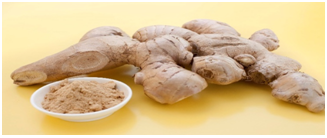
The most common and well-known use of ginger is its ability to alleviate symptoms of nausea and vomiting thanks to its carminative (it can break up and expel intestinal gas) and anti-spasmodic properties. Ginger is commonly recommended for preventing seasickness, morning sickness during pregnancy and may also relieve nausea and vomiting after undergoing surgery or chemotherapy.
3. MUSHROOMS
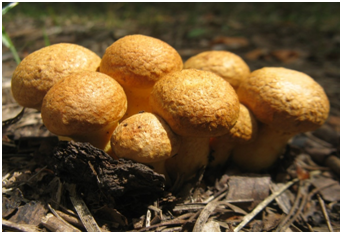
Their health benefits that include antioxidant and anti-hypertensive properties, liver protection, anti-inflammatory, anti-viral and anti-microbial properties.
Medicinal mushrooms such as reishi, chaga, maitake and lion’s mane stimulate macrophages and increase levels of tumor-necrosis factor and interleukins (both anti-inflammatory compounds) as well as T and B lymphocytes.
4. GARLIC
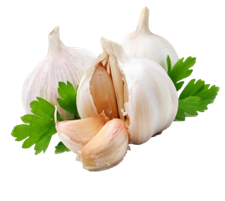
boosts the immune system’s function and daily garlic extract supplementation can reduce the number and length of colds and the re-occurrence of flu.
people currently taking other high blood pressure and anti-coagulant medications should be very careful with garlic supplementation.
Also, because of its anti-viral and anti-fungal qualities, garlic can be used to improve candida infections and garlic oil can be applied to the skin or nails to treat fungal infections.
5. CINNAMON
The reduction of inflammation means that cinnamon oil and extract can be beneficial in the case of chronic pains such as migraines and arthritis, as cinnamon can promote blood circulation, which helps stimulate and push circulation to the nerves and joints.
Whether it’s used as a tea, oil or extract, cinnamon contains high amounts of the active compound called cinnamaldehyde, the one that possesses medicinal properties. In fact, this spice in a concentrated supplement form is well-known to help manage blood sugar levels by improving insulin resistance

6. CLOVES
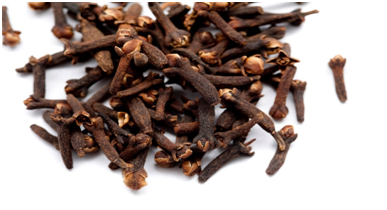
its potent medicinal qualities, such as anti-fungal, antibacterial, antiseptic and analgesic. Clove essential oil has been shown to have antimicrobial properties, stopping the growth of and killing common types of bacteria, as well as promoting oral health.
It’s especially good to alleviate toothache pain, just by dabbing a little clove oil on a cotton ball and placing it on the aching tooth.
Clove tea is prepared as an ayurvedic remedy to prevent colds and flu and improve sore throat symptoms, along with alleviating vomiting, stomach issues, gas and diarrhoea by relaxing the gut lining and muscles. Plus, as a topical treatment, clove oil can be added to massage balms to ease sore muscles and lessen arthritic and rheumatic pain.
7. GINSENG
The main active ingredients responsible for its medicinal actions are called ginsenosides, which seem to have anti-inflammatory effects by targeting pathways in the immune system that could reduce inflammation.
Ginseng is commonly known to be stimulating for the nervous system and improve focus and concentration, but the high antioxidant compounds content may also reduce accumulation of plaque and free radicals in the brain, which could lower the risk of developing cognitive disorders.


8. RESVERATOL
It has been widely studied because of its concentrated amount of antioxidant compounds and found beneficial in protecting brain function and lowering blood pressure, having pharmacological properties such as cardio-protection, reduction of free radicals, and inhibition of COX and hydroperoxidase (enzymes involved in inflammatory pathways).
9. TEE TREE OIL
Tea tree oil contains a number of compounds called terpinens that have been shown to kill certain bacteria, viruses and fungi.
It’s a perfect remedy for fungal nail infections by using a few drops of tea tree oil alone or mixed with an equal amount of coconut oil.


10. PROBIOTIC FOODS
Probiotics have seen a huge rise in popularity in recent years, and with good reason. Foods like fermented veggies, water kefir, kombucha and pickles are known to be beneficial for optimal digestion, but probiotics medicinal properties go beyond that.
In fact, a huge amount of conditions have their root causes in poor gut health, including thyroid imbalances, chronic fatigue, joint pain, skin issues, anxiety, depression or food allergies, because gut microbes are also involved in immune system and inflammatory processes, cognitive function and neurotransmitter production as well.
An alteration in the balance between intestinal immunity and microbiome may change the equilibrium of pro-inflammatory and anti-inflammatory cytokines, promoting an increase in systemic inflammation and consequently an impaired immune function.
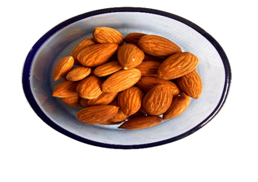
11. ALMONDS
Almonds are a rich source of VIT- E, copper, Mg, good quality protein, and healthy unsaturated fatty acids. Studies have revealed that almonds can potentially help prevent cardiovascular diseases Trusted Source, cut the risk of cancer, and help prolong life.
12. APPLES
Apples are sometimes called “nutritional powerhouses” because of their impressive nutritional profile.
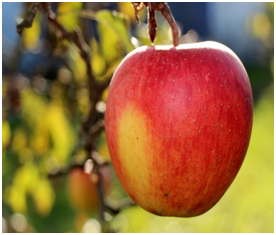
Apples contain about 14 percent of our daily needs of Vitamin C (a powerful natural antioxident), B-complex vitamins, dietary fiber, phytonutrients (which help protect the body from the detrimental effects of free radicals), and minerals such as calcium and potassium.
Studies have revealed that eating apples can potentially help prevent dementia Trusted Source and reduce the risk of stroke Trusted Source and diabetes.
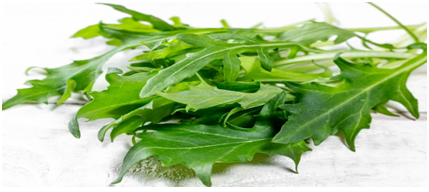
13. ARUGULA
Along with other leafy greens, arugula contains very high nitrate levels (more than 250 milligrams per 100 grams). High intakes of dietary nitrate have been shown to lower blood pressure, reduce the amount of oxygen needed during exercise, and enhance athletic performance. The potential health benefits of arugula include lowering the risk of cancer, preventing osteoporosis, and improving muscle oxygenation during exercise.
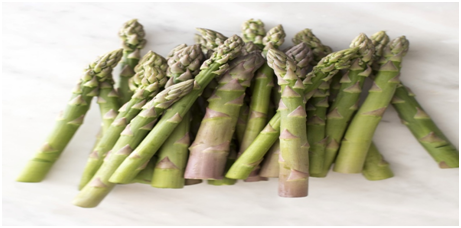
14. ASPARGUS
Asparagus is very rich in dietary fiber and contains high levels of vitamin B6, calcium, zinc, and magnesium. The potential health benefits of asparagus include: reducing the risk of diabetes, preventing kidney stones , and lowering the risk of neural tube defects in babies. Asparagus is also a natural diuretic, which can help with fluid balance in the body and influence blood pressure and edema.
15. BANANAS
Bananas are naturally free of fat, cholesterol , and sodium, and very rich in potassium. The potential health benefits of bananas include: lowering blood pressure, reducing the risk of developing childhood leukemia, and supporting heart health.

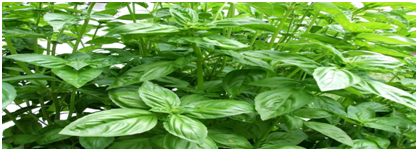
16. BASIL
Basil is rich in vitamin A, vitamin K, vitamin C, magnesium, iron, potassium, and calcium. Studies have revealed that basil can potentially reduce inflammation and swelling, prevent the harmful effects of aging, and may be useful in treating arthritis and inflammatory bowel diseases.
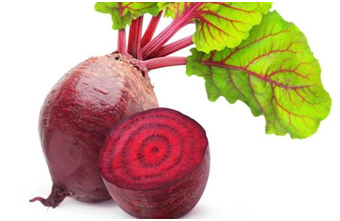
17. BEETROOT
Beetroot, also known simply as the beet, has been gaining in popularity as a new super food due to recent studies claiming that beets and beetroot juice can improve athletic performance, lower blood pressure and increase blood flow.
This is partly due to its high content of nitrates, which increase nitric oxide in the body and play a substantial role in heart and vascular health.
Beetroot is a rich source of folate and manganese, and also contains thiamine, riboflavin, vitamin B-6, pantothenic acid, choline, betaine, magnesium, phosphorus, potassium, zinc, copper, and selenium.
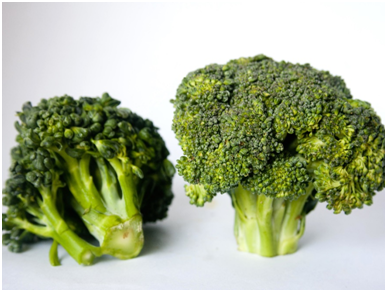
18. BROCCOLI
Broccoli contains high levels of fiber (both soluble and insoluble) and is a rich source of vitamin C.
In addition, broccoli is rich in vitamin A, iron, vitamin K, B-complex vitamins, zinc, phosphorus, and phytonutrients.
Studies have found that broccoli can potentially help prevent osteoarthritis trusted Source, protect skin against the effects of UV light, reverse diabetes heart damage, and reduce bladder cancer risk Trusted source.
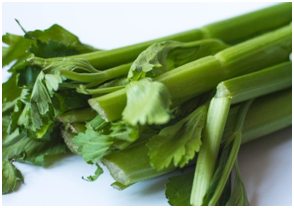
19. CELERY
Celery is a very rich source of antioxidants, electrolytes, and vitamin K. Also, thanks to its high water content, it can help rehydrate.
The potential health benefits of celery include: lowering blood pressure, preventing cancer, and soothing joint pain.
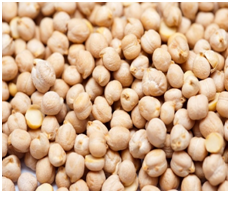
20. CHICKPEAS
Originally cultivated in the Mediterranean and the Middle East, chickpeas, also known as garbanzo beans, have spread their culinary influence throughout the world.
The potential health benefits of chickpeas include improved glucose levels, lipids, and Insulin levels for diabetes, maintaining bone strength and heart health.
 Share
Share